

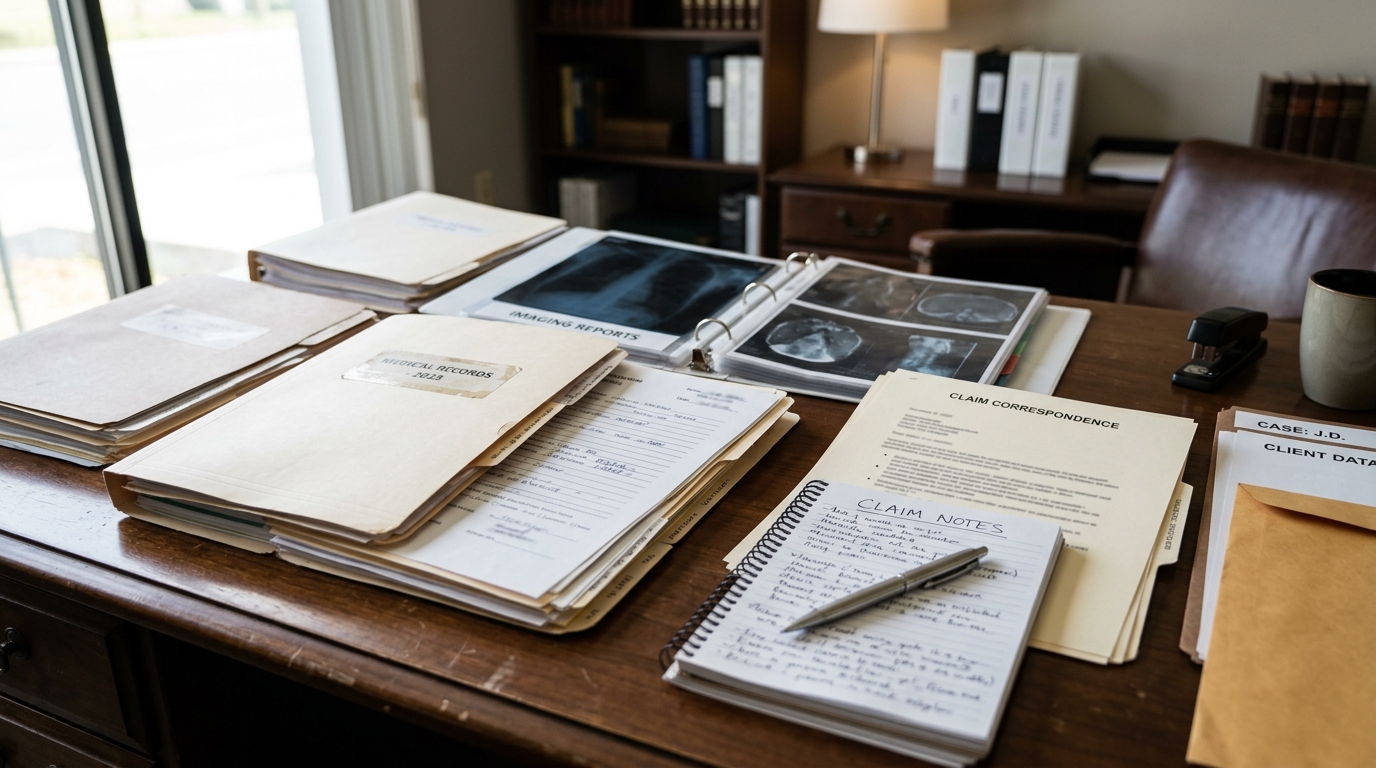
Medical records are one of the most important parts of a personal injury claim because they help connect the accident, symptoms, diagnosis, treatment, recovery timeline, and long-term impact. A claim may involve strong fault evidence, but without clear medical documentation, it can still be difficult to prove injury severity and damages. People reviewing an accident-related injury may use a personal injury lawyer Long Island resource to understand how medical records, insurance issues, and claim evidence are generally evaluated.
Quick Answer
Medical records affect a New York personal injury claim by showing when symptoms began, what injuries were diagnosed, what treatment was provided, whether the injury is connected to the accident, whether care was consistent, and whether the injury caused long-term limitations. Important records may include emergency room notes, imaging reports, specialist records, therapy notes, surgery records, prescriptions, pain management records, work restrictions, no-fault forms, billing records, and future care recommendations.
Key Takeaways
- Medical records help prove injury timing, diagnosis, causation, treatment, and damages.
- Delayed treatment or long gaps in care can create insurance disputes.
- Emergency room records are useful, but follow-up records often show the full injury timeline.
- Imaging, specialist notes, therapy records, and work restrictions can help document severity.
- New York no-fault car accident claims may involve short medical bill and wage claim timelines.
- Medical records should match the injured person’s symptoms, limitations, and claim timeline.
- Deadlines can vary depending on injury type, defendant type, and whether public entities are involved.
Why Medical Records Matter in Injury Claims
Medical records matter because they provide a documented timeline. They show what the injured person reported, when symptoms started, what the provider observed, what tests were ordered, what diagnoses were made, and what treatment was recommended.
A personal injury claim may ask:
- Did the accident cause the injury?
- Were symptoms reported soon after the accident?
- Did doctors document consistent complaints?
- Did imaging or testing confirm the injury?
- Was treatment medically necessary?
- Did the person follow medical advice?
- Did the injury affect work or daily life?
- Are future medical needs expected?
- Is there permanent impairment, scarring, pain, or limitation?
Without medical records, the claim may rely too heavily on personal statements. Personal statements matter, but records from medical providers can give the claim stronger support.
Medical Records Help Prove Causation
Causation means the accident caused or contributed to the injury. This can become disputed when symptoms appear gradually, the injured person had prior medical issues, or treatment did not begin right away.
Medical records can help prove causation by documenting:
- The accident date
- The first medical visit
- Symptoms reported after the incident
- Body parts injured
- Diagnoses
- Imaging results
- Provider opinions
- Treatment recommendations
- Follow-up care
- Changes in condition
For example, after a car accident, records showing neck pain, back pain, headaches, and shoulder pain within days of the crash may help connect those symptoms to the collision. After a fall, records showing wrist pain, hip pain, knee pain, or head trauma soon after the incident may help connect the injury to the fall.
A broader guide to evidence for personal injury claims can help explain why medical proof and accident evidence often need to work together.
Delayed Treatment Can Create Problems
Delayed medical treatment can create problems because insurers may argue that the injury was not serious, was unrelated to the accident, or came from a later event. A person may have valid reasons for waiting, including shock, transportation problems, work obligations, lack of insurance, or symptoms that became worse over time. Still, the delay may need explanation.
Common delayed symptoms may include:
- Neck pain
- Back pain
- Headaches
- Dizziness
- Shoulder pain
- Knee pain
- Numbness
- Tingling
- Anxiety
- Sleep problems
- Muscle stiffness
- Radiating pain
The best approach is to seek medical care when symptoms appear and describe the accident history clearly. Medical providers should receive accurate information about how the injury happened, when symptoms began, and what body parts are affected.
Emergency Room Records
Emergency room records are often the first medical documents after a serious accident. They may include triage notes, pain complaints, vital signs, physical exam findings, imaging orders, discharge instructions, medication, and referral recommendations.
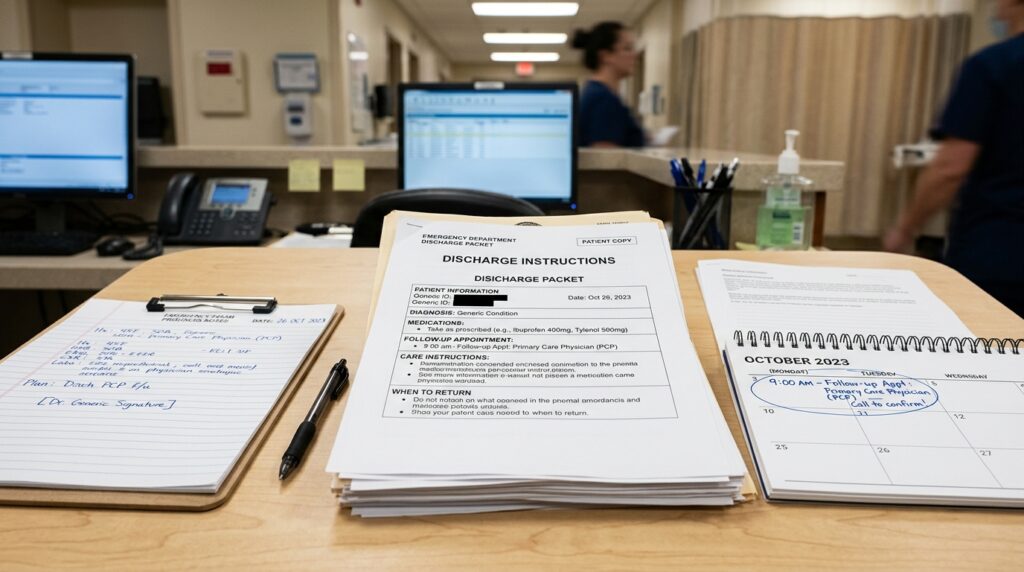
Emergency records may help show:
- The injury was reported soon after the accident.
- The patient complained of specific symptoms.
- Imaging or testing was ordered.
- A diagnosis was made.
- Follow-up care was recommended.
- Work or activity restrictions were given.
However, emergency room records may not show the full injury. Emergency care often focuses on immediate danger, fractures, bleeding, neurological symptoms, or life-threatening concerns. Some injuries require follow-up care before the full extent becomes clear.
Primary Care and Follow-Up Records
Follow-up records are important because they show whether symptoms continued after the first visit. A primary care doctor, urgent care provider, orthopedic specialist, neurologist, pain management doctor, surgeon, chiropractor, physical therapist, or other provider may document the ongoing condition.
Follow-up records may show:
- Persistent pain
- Reduced range of motion
- Muscle spasms
- Numbness or tingling
- Worsening symptoms
- New symptoms
- Treatment response
- Work restrictions
- Referrals to specialists
- Medication changes
- Need for imaging
- Long-term limitations
A claim can be weakened when there is a large gap between emergency care and follow-up care. Consistent treatment helps show that the injury continued and required medical attention.
Imaging and Diagnostic Testing
Imaging and diagnostic testing can provide objective medical evidence. Not every injury appears on imaging, but when testing confirms injury, it can become important.

Relevant testing may include:
- X-rays
- MRI scans
- CT scans
- Ultrasound
- EMG or nerve studies
- Lab results
- Surgical findings
- Wound evaluations
- Specialist diagnostic reports
Imaging may help document fractures, herniated discs, ligament injuries, tendon tears, internal injuries, traumatic brain injuries, or other conditions. Diagnostic records should be reviewed with the provider’s notes because imaging results alone may not explain pain, function, or treatment needs.
Specialist Records
Specialist records can strengthen a claim when the injury requires more than basic treatment. Specialists may provide diagnosis, treatment planning, causation opinions, surgical recommendations, impairment discussion, or future care guidance.
Relevant specialists may include:
- Orthopedic doctors
- Neurologists
- Neurosurgeons
- Pain management doctors
- Physical medicine and rehabilitation doctors
- Plastic surgeons
- Wound care specialists
- Psychologists or therapists
- Dentists or oral surgeons
- Occupational medicine providers
Specialist notes may be especially important when a claim involves surgery, nerve injury, brain injury, scarring, chronic pain, permanent limitation, or inability to work.
Physical Therapy and Rehabilitation Records
Physical therapy and rehabilitation records can show how an injury affects movement, strength, flexibility, pain, and daily activity. They may document progress, setbacks, missed visits, functional limitations, and whether symptoms improved or persisted.
Therapy records may include:
- Initial evaluation
- Pain scores
- Range of motion findings
- Strength testing
- Functional limitations
- Treatment plan
- Attendance records
- Progress notes
- Discharge summary
- Home exercise instructions
- Provider observations
These records can help explain injuries that do not always appear clearly in photographs or basic reports. They can also show whether the injured person participated in recommended treatment.
Work Restriction Records
Work restrictions can be important when an injury affects income. A medical note saying someone should avoid lifting, standing, driving, bending, overhead work, long shifts, or full duty can help connect the injury to lost wages.
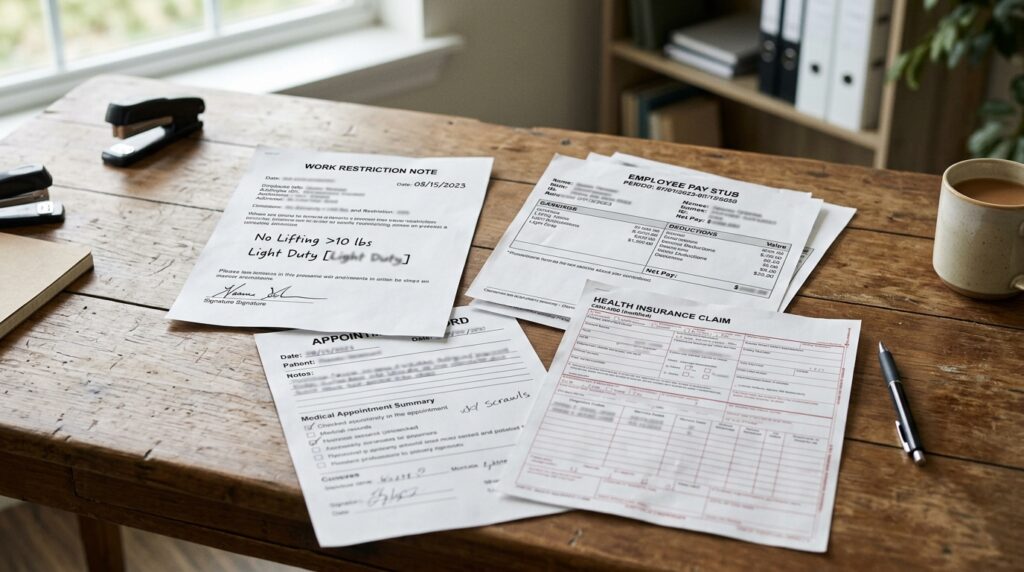
Useful records may include:
- Doctor work restriction notes
- Disability forms
- Employer letters
- Missed work records
- Pay stubs
- Tax records
- Job descriptions
- Return-to-work notes
- Light-duty restrictions
- Records of reduced hours
- Vocational records in serious cases
For motor vehicle accidents, New York no-fault rules may affect wage claim submissions. The New York Department of Financial Services explains that no-fault written notice is generally due within 30 days, health care bills generally have a 45-day submission timeline, and lost wage claims generally must be submitted within 90 days. (Department of Financial Services)
Medical Bills and Payment Records
Medical bills help document financial damages. A claim may include emergency care, hospital treatment, surgery, therapy, medication, specialist visits, diagnostic testing, assistive devices, transportation, and future care needs.
Important billing records may include:
- Hospital bills
- Provider invoices
- Physical therapy bills
- Prescription receipts
- Medical equipment receipts
- Insurance explanation of benefits
- No-fault payment records
- Denial notices
- Out-of-pocket payment receipts
- Mileage or transportation expenses
Billing records should be organized by provider and date. This helps show the cost of care and identify unpaid balances, insurance disputes, or reimbursable expenses.
Prior Medical History
Prior medical history can become important when the defense argues that the injury existed before the accident. A prior condition does not automatically defeat a claim. The key question may be whether the accident caused a new injury, worsened an old condition, or changed the person’s symptoms and treatment needs.
Prior records may help show:
- The person had no similar symptoms before the accident.
- The prior condition had resolved.
- The accident worsened an existing condition.
- Treatment became more intensive after the accident.
- New imaging findings appeared after the accident.
- Work ability changed after the accident.
Medical records should be accurate. Trying to hide prior injuries can damage credibility. A better approach is to document how the accident changed the person’s condition.
Consistency Across Medical Records
Consistency matters. If one record says the injury came from a car crash, another says a fall, and another says no accident history, insurers may use those differences to question the claim.
Records should be reviewed for consistency in:
- Accident date
- Accident type
- Injured body parts
- Symptom onset
- Pain complaints
- Work restrictions
- Treatment recommendations
- Prior medical history
- Activity limitations
Minor differences can happen, especially when records are created quickly or by different providers. Major inconsistencies may need explanation through the full timeline and supporting evidence.
Medical Records and Serious Injury in Car Accident Claims
New York car accident claims may involve both no-fault benefits and a separate injury claim against an at-fault driver. The serious injury threshold can become important in lawsuits arising from motor vehicle accidents.
New York Insurance Law § 5102 defines “serious injury” to include categories such as death, dismemberment, significant disfigurement, fracture, loss of a fetus, permanent loss or limitation, significant limitation, and medically determined injury or impairment that prevents substantially all usual daily activities for at least 90 of the 180 days after the accident. (Department of Financial Services)
Medical records are often central to this issue because they may document fractures, imaging findings, disability periods, range of motion limitations, surgery, treatment duration, and long-term restrictions.
A car accident attorney resource may help readers understand why medical proof and no-fault documentation are especially important after New York motor vehicle crashes.
Medical Records in Slip, Fall, and Premises Claims
In slip and fall, trip and fall, and premises liability claims, medical records help show what injuries resulted from the incident. They may also help explain how the fall happened based on injury pattern.
Examples may include:
- Wrist fracture from bracing during a fall
- Hip fracture after landing on one side
- Knee injury from twisting
- Head injury from impact
- Back injury after a hard landing
- Shoulder injury from reaching out during the fall
A premises liability attorney resource may help readers understand how medical evidence, property evidence, and notice evidence can overlap in unsafe-property claims.
Medical Records in Construction and Workplace Injury Claims
Construction and workplace injury claims may involve workers’ compensation, third-party liability, safety rules, contractors, property owners, equipment, or workplace accident reports. Medical records help document the injury, treatment, disability, and whether the worker can return to the same job.
Important records may include:
- Emergency treatment records
- Occupational health records
- Workers’ compensation forms
- Orthopedic records
- Surgical records
- Therapy records
- Work restriction notes
- Functional capacity evaluations
- Employer injury reports
- Specialist opinions
A construction accident attorney resource may help readers understand why medical documentation and job-duty evidence are both important in serious worksite claims.
Medical Records and Settlement Value
Medical records can affect settlement value because they help show the type, severity, duration, and impact of the injury. Insurance companies often review records to evaluate medical expenses, treatment consistency, permanency, pain, work loss, and whether the treatment appears connected to the accident.
Medical factors that may affect settlement evaluation include:
- Diagnosis
- Treatment duration
- Surgery
- Imaging findings
- Specialist care
- Permanent impairment
- Scarring
- Pain management
- Physical therapy
- Lost income
- Future medical care
- Work restrictions
- Daily activity limitations
Publicly available personal injury case results may provide general context, although every case depends on its own facts, medical records, liability evidence, insurance coverage, and applicable law.
Medical Records and Deadlines
Medical records also matter for deadlines. They can help identify the date of injury, treatment timeline, disability period, no-fault submissions, and whether the case may involve negligence, medical malpractice, wrongful death, or a public entity.
The New York Courts statute of limitations timetable lists three years for many negligence-based personal injury claims, two years and six months for many medical malpractice claims, and two years from death for wrongful death claims. The correct deadline depends on the facts and claim type. (New York Courts)
If a public entity may be involved, earlier notice rules may apply. New York General Municipal Law § 50-e generally requires notice of claim within 90 days for certain tort claims against public corporations. (NYSenate.gov)
Common Medical Record Problems That Can Hurt a Claim
Some medical record issues can create disputes.
Common problems include:
- Delayed first treatment
- Long treatment gaps
- Missing accident history
- Inconsistent symptom descriptions
- Incomplete provider notes
- Missed appointments
- Failure to follow referrals
- No work restriction documentation
- Prior injuries not explained
- Medical bills not submitted on time
- No documentation of future care needs
- Symptoms mentioned late for the first time
These issues do not always destroy a claim, but they may need careful explanation and supporting evidence.
How to Keep Medical Records Organized
Good organization can make a claim easier to evaluate.
A useful medical file may include:
- Emergency records
- Hospital records
- Imaging reports
- Specialist notes
- Therapy records
- Surgery records
- Medication records
- Work restriction notes
- Medical bills
- Insurance letters
- No-fault forms
- Denial notices
- Appointment calendar
- Receipts
- Symptom notes
- Future care recommendations
Records should be stored in date order when possible. It can also help to keep a simple timeline showing accident date, first treatment date, major diagnoses, imaging dates, specialist visits, therapy timeline, work restrictions, and major changes in symptoms.
When Legal Guidance May Be Useful
Legal guidance may be useful when injuries are serious, treatment is ongoing, medical bills are unpaid, no-fault benefits are disputed, fault is contested, prior medical history is being used against the injured person, or settlement is offered before treatment is complete.
Medical record review may involve emergency care, imaging, specialists, therapy, no-fault submissions, work restrictions, billing records, prior medical history, future care needs, and legal deadlines. People researching local resources may review a Farmingdale legal office location when looking for Long Island personal injury claim information.
FAQs About Medical Records in Personal Injury Claims
Why are medical records important in a personal injury claim?
Medical records help prove when symptoms began, what injuries were diagnosed, what treatment was needed, whether the accident caused the injury, and how the injury affected work or daily life. They often serve as the foundation for damages.
Can delayed medical treatment hurt a personal injury claim?
Yes. Delayed treatment can make it harder to connect the injury to the accident. Insurers may argue that the injury was minor, unrelated, or caused by something else. Valid delays should be explained with supporting facts when possible.
What medical records should be saved after an accident?
Important records may include emergency room notes, imaging reports, specialist records, therapy notes, surgery records, prescriptions, medical bills, work restriction notes, no-fault forms, insurance letters, and future care recommendations.
Do prior injuries ruin a personal injury claim?
No. Prior injuries do not automatically ruin a claim. The key question may be whether the accident caused a new injury, worsened an existing condition, or changed symptoms, treatment needs, work ability, or daily function.
How do medical records affect settlement value?
Medical records can affect settlement value by documenting diagnosis, treatment length, surgery, pain, permanent limitations, lost income, future care needs, and daily restrictions. Strong records help explain the full impact of the injury.
Final Thoughts
Medical records are central to New York personal injury claims because they help prove causation, injury severity, treatment needs, lost income, and long-term damages. A strong claim usually includes prompt care, consistent follow-up, clear diagnosis, organized billing records, work restriction notes, and evidence showing how the injury changed daily life. The most useful medical documentation tells a complete timeline from the accident through treatment, recovery, and any lasting limitations