

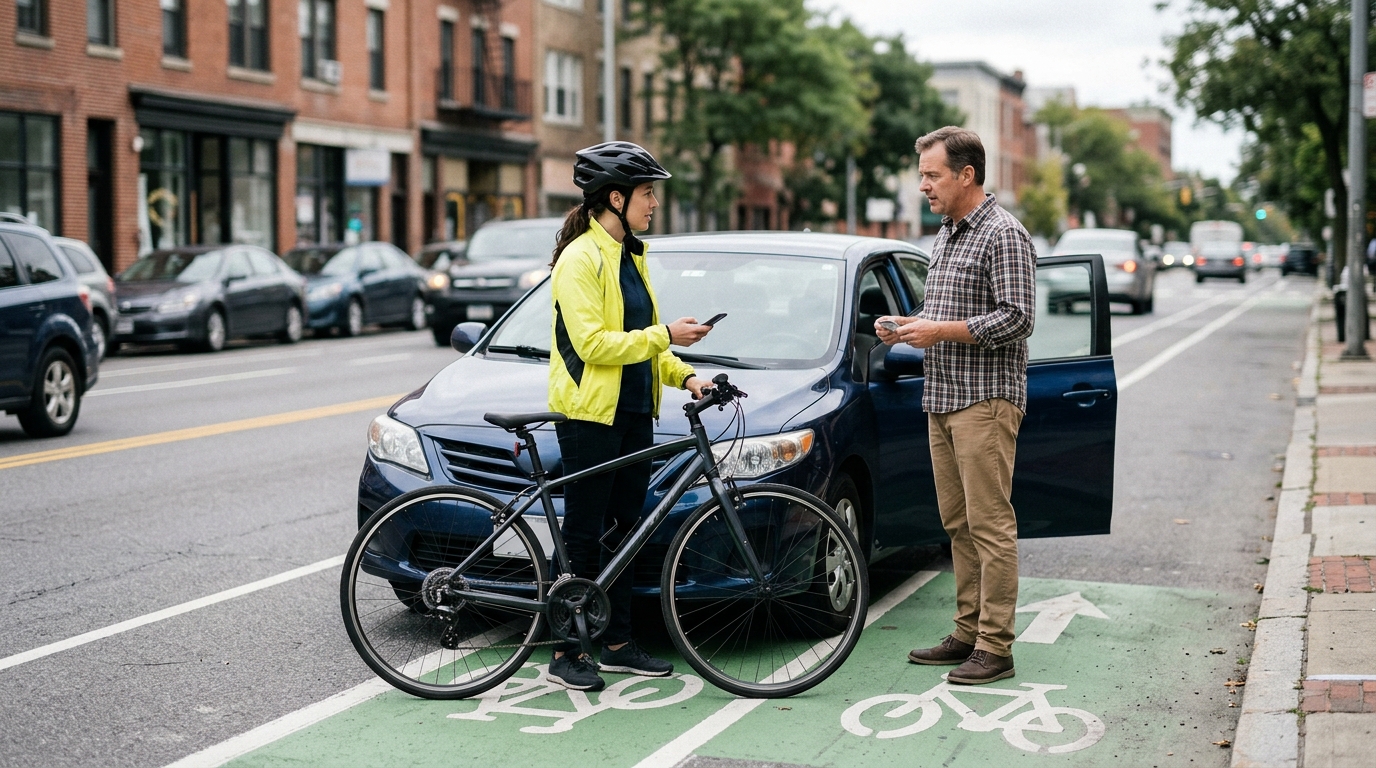
Bicycle accident claims in New York can involve driver negligence, unsafe road design, bike lane issues, dooring incidents, commercial vehicles, road defects, traffic signal disputes, and insurance questions. Because bicyclists have less physical protection than motor vehicle occupants, even a low-speed crash can lead to serious injuries. Injured cyclists researching claim options may review guidance from a bicycle accident lawyer Long Island resource to understand how liability, evidence, insurance, and deadlines are generally evaluated.
Quick Answer
A New York bicycle accident claim usually depends on proof of fault, injury documentation, insurance coverage, and preserved evidence. If a cyclist is hit by a motor vehicle, the claim may involve no-fault insurance, a liability claim against the at-fault driver, and medical records showing injury severity. If the crash involves a road defect, public property, construction zone, or unsafe bike lane condition, a government entity, contractor, property owner, or maintenance company may also need to be reviewed.
Key Takeaways
- Bicycle accident claims often involve driver visibility, right-of-way disputes, unsafe turns, dooring, bike lane hazards, or road defects.
- New York law generally gives cyclists on roadways the rights and duties applicable to vehicle drivers, except where special bicycle rules apply.
- A cyclist hit by a motor vehicle may need to review no-fault insurance options, liability claims, and serious injury rules.
- Evidence should be preserved quickly because vehicles are repaired, video is overwritten, and road conditions change.
- Road defect cases may involve municipalities, contractors, utility companies, or public authorities.
- Medical documentation helps connect the crash to the cyclist’s injuries.
- Public entity claims may involve much shorter notice deadlines than ordinary negligence claims.
Why Bicycle Accident Claims Are Different
Bicycle accident claims are different because cyclists are vulnerable road users. A driver is surrounded by a vehicle frame, seatbelt, airbags, and other safety systems. A cyclist usually has only a helmet, clothing, lights, reflectors, and quick reaction time.
This difference affects injury severity and claim complexity. A crash may involve a car, truck, rideshare vehicle, delivery van, bus, taxi, motorcycle, pedestrian, scooter, another cyclist, or a road hazard. The claim may also involve disputes about lane position, visibility, traffic signals, bike lanes, speed, lighting, and whether the driver checked properly before turning or opening a door.
The New York DMV explains that bicyclists must share the road with motorists and that bicycle lanes and related roadway designs are intended to give bicyclists safer places to ride. The DMV also notes that motorists should recognize that cyclists may react suddenly to road hazards. (NY DMV)
Common Causes of Bicycle Accidents
Bicycle crashes can happen in many ways. Some are caused by careless drivers. Others involve unsafe infrastructure, road defects, parked vehicles, poor lighting, or construction conditions.
Common causes may include:
- Drivers failing to yield
- Unsafe right turns or left turns
- Dooring from parked vehicles
- Distracted driving
- Speeding
- Unsafe lane changes
- Failure to check blind spots
- Drivers entering or blocking bike lanes
- Rear-end impacts
- Intersection crashes
- Poorly marked bike lanes
- Potholes or uneven pavement
- Loose gravel or construction debris
- Unsafe road plates
- Commercial vehicle blind spots
- Rideshare or delivery vehicle stops
- Poor nighttime visibility
- Defective bicycle parts or maintenance issues
A strong claim usually identifies the specific act or condition that caused the crash. General statements such as “the driver was careless” or “the road was unsafe” may not be enough without supporting evidence.
Driver Negligence in Bicycle Accident Claims
Many bicycle accident claims involve driver negligence. A motorist may fail to see a cyclist, misjudge speed, turn across a bike lane, pass too closely, open a door into the cyclist’s path, or stop suddenly in an unsafe location.
Driver negligence may involve:
- Failure to yield
- Running a red light or stop sign
- Distracted driving
- Unsafe turning
- Unsafe passing
- Following too closely
- Opening a vehicle door without checking
- Speeding
- Driving while impaired
- Blocking a bike lane
- Failing to check mirrors or blind spots
A driver’s statement that they “did not see the cyclist” does not automatically resolve fault. Visibility, lane position, signal timing, lighting, witness accounts, video footage, and vehicle damage can all affect the liability analysis.
New York Bicycle Rules and Roadway Duties
New York Vehicle and Traffic Law § 1231 states that a person riding a bicycle on a roadway is granted the rights and subject to the duties applicable to a vehicle driver, except where bicycle-specific rules apply or where a rule cannot naturally apply to bicycles. (NYSenate.gov)
This matters because bicycle accident claims often involve questions about right of way, traffic control devices, lane use, signaling, safe passing, and whether the cyclist and driver followed the applicable rules.
A cyclist may still face fault arguments. An insurer may claim the cyclist was riding against traffic, ignoring a signal, moving unpredictably, riding without lights, or failing to use a bike lane where required. Those arguments do not automatically defeat a claim, but they make evidence important.
No-Fault Insurance After a Bicycle Accident
Insurance can be confusing after a bicycle accident. When a cyclist is struck by a motor vehicle, the claim may involve New York no-fault insurance, liability insurance, health insurance, and possibly uninsured or underinsured motorist coverage.
The New York Department of Financial Services explains that a pedestrian injured by a car should file a no-fault claim with the insurance company covering the car that struck them. New York Insurance Law § 5102 also defines covered persons in relation to pedestrians injured through the use or operation of motor vehicles. (Department of Financial Services)
In practical claim review, a cyclist hit by a motor vehicle should preserve the driver’s insurance information, police report details, vehicle plate number, crash location, and all medical bills. No-fault rules can involve short notice and billing timelines, so delay can create problems.
Liability Claims Beyond No-Fault Benefits
No-fault benefits may address certain economic losses, but they do not automatically resolve every bicycle accident claim. If the cyclist suffered a serious injury, long-term impairment, major medical expenses, lost income, pain, or reduced mobility, a liability claim against the at-fault driver or another responsible party may also be reviewed.
A liability claim may seek damages related to:
- Pain and suffering
- Medical treatment not fully covered
- Future medical care
- Lost income
- Reduced earning ability
- Permanent injury
- Scarring
- Mobility limitations
- Loss of normal activities
- Out-of-pocket expenses
The New York DFS no-fault FAQ notes that lawsuits against another driver may be brought when the other driver caused the accident and the injured person sustained a “serious injury.” (Department of Financial Services)
Dooring Accidents
Dooring accidents happen when a driver or passenger opens a vehicle door into a cyclist’s path. These crashes can cause the cyclist to strike the door, swerve into traffic, fall onto the roadway, or collide with another vehicle.
Important evidence in a dooring claim may include:
- Photos of the parked vehicle
- Door damage
- Bicycle damage
- Location of the bike lane or travel lane
- Witness statements
- Surveillance footage
- Driver or passenger statements
- Road markings
- Medical records
- Helmet and gear damage
Dooring cases often depend on whether the person opening the door checked for approaching cyclists and whether the cyclist had time or space to avoid the hazard.
Bike Lane and Intersection Accidents
Bike lanes can reduce some risks, but they do not eliminate danger. Drivers may block bike lanes, turn across them, park in them, open doors into them, or fail to yield where bike lanes cross intersections.
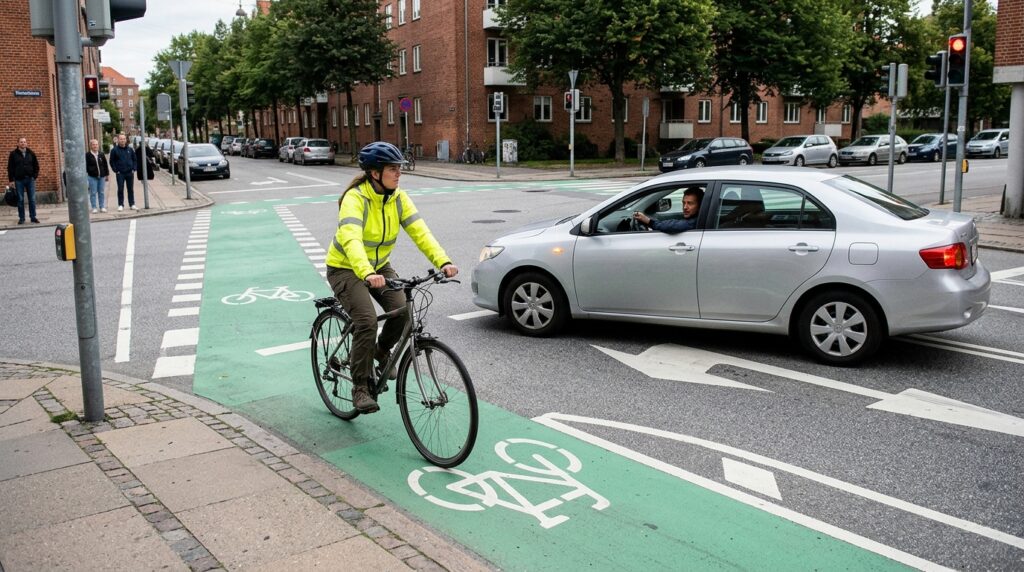
Intersection bicycle crashes may involve:
- Turning vehicles
- Crosswalks
- Bike boxes
- Traffic lights
- Stop signs
- Delivery vehicles
- Rideshare pickups
- Bus stops
- Poor sightlines
- Confusing lane markings
- Construction detours
The DMV’s driver manual discusses bicycle lanes, bike boxes, cycle tracks, and other roadway features designed for bicyclists to operate more safely and efficiently. (NY DMV)
Road Defect Bicycle Accidents
Road defects can be especially dangerous for cyclists. A pothole, uneven pavement seam, loose gravel, defective metal plate, sunken utility cover, broken shoulder, poor drainage, or construction debris can cause a cyclist to lose control.
Potentially responsible parties may include:
- City, town, county, or state agencies
- Public authorities
- Road maintenance contractors
- Construction companies
- Utility companies
- Property owners
- Snow or debris removal contractors
- Private contractors working near the roadway
A road defect case often requires location-specific investigation. The claim may depend on ownership, maintenance responsibility, prior notice, repair history, work permits, construction records, and whether a public entity had written notice of the defect.
Commercial Vehicle and Delivery Driver Bicycle Crashes
Bicycle accidents involving trucks, delivery vans, box trucks, buses, taxis, or rideshare vehicles can be more complex than ordinary passenger vehicle crashes. Commercial vehicles may have larger blind spots, wider turns, heavier weight, and company records that may be relevant.
Evidence may include:
- Driver work records
- Delivery logs
- GPS data
- Dashcam footage
- Vehicle inspection reports
- Maintenance records
- Company safety policies
- Commercial insurance documents
- Route schedules
- Dispatch messages
A bicycle crash involving a commercial vehicle may overlap with issues discussed in a truck accident attorney resource, especially when driver records, company responsibility, maintenance, and commercial insurance are involved.
Hit-and-Run Bicycle Accidents
Hit-and-run bicycle accidents can be difficult because the responsible driver may not be known right away. Evidence becomes especially important.
Helpful steps may include:
- Calling police
- Seeking medical care
- Taking photos of the scene
- Preserving damaged bicycle parts and gear
- Looking for nearby cameras
- Identifying witnesses
- Checking nearby businesses for footage
- Recording vehicle description details
- Reporting the crash to the correct insurer
- Saving all medical bills and insurance letters
Insurance coverage may depend on the cyclist’s own household auto policy, the facts of the crash, uninsured motorist coverage, or other available sources. These claims should be documented carefully because the at-fault driver may not be immediately identified.
Evidence That Can Strengthen a Bicycle Accident Claim
Evidence should be preserved quickly after a bicycle accident. A cyclist may be taken from the scene for medical care, leaving little time to document the roadway, bicycle, vehicle, traffic control devices, weather, or witnesses.

Helpful evidence may include:
- Police report
- DMV bicycle crash report, when applicable
- Photos of the bicycle
- Photos of the vehicle
- Helmet and gear photos
- Scene photos from multiple angles
- Bike lane or roadway photos
- Traffic signal information
- Witness names and contact details
- Surveillance or dashcam footage
- Medical records
- Ambulance records
- Insurance letters
- Repair estimates
- Road defect photos
- Weather and lighting details
- Lost wage records
The DMV driver manual notes that a bicycle crash causing death or serious injury should be reported to DMV within 10 days. (NY DMV)
For broader claim documentation, cyclists may also review information about evidence for personal injury claims and how records help connect the accident, injury, and damages.
Medical Documentation After a Bicycle Crash
Medical care should be prioritized after a bicycle crash. Cyclists may suffer injuries that are not immediately obvious because adrenaline can mask pain.
Common bicycle accident injuries may include:
- Concussions
- Traumatic brain injuries
- Neck injuries
- Back injuries
- Shoulder injuries
- Wrist fractures
- Arm fractures
- Hip injuries
- Knee injuries
- Ankle injuries
- Road rash
- Dental injuries
- Facial injuries
- Nerve damage
- Internal injuries
- Chronic pain
Medical records help document when symptoms began, what treatment was needed, whether imaging was ordered, whether surgery was recommended, and how the injury affected work or daily life. Delays in treatment may create disputes, even when symptoms were real.
Helmet, Lights, and Gear Evidence
Helmet, light, reflector, and gear issues may come up during a bicycle accident claim. An insurer may argue that the cyclist was not visible, lacked proper lighting, failed to wear protective gear, or contributed to the injury.
These arguments should be evaluated carefully. Gear evidence does not automatically decide fault. A driver may still be responsible for failing to yield, turning unsafely, passing too closely, or opening a door into the cyclist’s path.

Damaged gear should be preserved. Useful items may include:
- Helmet
- Bicycle lights
- Reflectors
- Jacket
- Gloves
- Shoes
- Backpack
- Camera mounts
- Bicycle computer
- Phone app trip data
These items may help show impact direction, visibility, severity, and crash mechanics.
Comparative Fault in Bicycle Accident Claims
New York comparative negligence rules may allow responsibility to be divided between parties. A driver or insurer may argue that the cyclist shared fault by riding too fast, ignoring a signal, failing to use lights, riding outside a bike lane, or not avoiding the crash.
Under New York Civil Practice Law & Rules § 1411, a claimant’s culpable conduct does not automatically bar recovery, but damages may be reduced based on the claimant’s share of responsibility. (NYSenate.gov)
This makes evidence essential. Photos, video, traffic signal timing, lane markings, vehicle damage, road design, witness accounts, and medical records can all affect how fault is assigned.
Bicycle Accidents Involving Public Property or Road Defects
If a bicycle crash involves a pothole, broken road surface, unsafe construction zone, missing sign, defective traffic signal, or public roadway hazard, special rules may apply. Public entity cases often involve shorter notice requirements.
New York General Municipal Law § 50-e generally requires a notice of claim within 90 days for certain tort claims against public corporations. (NYSenate.gov)
This can matter if the claim may involve a city, town, village, county, school district, public authority, public roadway, municipal vehicle, or government contractor. The exact location should be documented carefully.
Deadlines for Bicycle Accident Claims in New York
Deadlines depend on the responsible party and claim type. The New York Courts statute of limitations timetable lists three years for many negligence-based personal injury claims. However, shorter deadlines may apply when a public entity, public vehicle, municipal roadway, public authority, or government-controlled property is involved.
Even when the lawsuit deadline is longer, evidence can disappear much sooner. Video may be overwritten, vehicles may be repaired, road hazards may be fixed, and witnesses may become difficult to find.
Common Mistakes After a Bicycle Accident
Some mistakes can make a bicycle accident claim harder to prove.
Common mistakes include:
- Not getting medical care promptly
- Leaving without reporting the crash
- Failing to photograph the bicycle, vehicle, and scene
- Throwing away damaged helmet or gear
- Not identifying witnesses
- Not checking for nearby camera footage
- Missing no-fault or insurance deadlines
- Assuming the police report contains every important fact
- Giving broad statements to insurers too early
- Posting about the crash on social media
- Waiting too long to investigate road defects
- Missing public entity notice deadlines
The strongest claims usually include fast documentation, consistent medical care, and clear evidence showing how the crash happened.
When Legal Guidance May Be Useful
Legal guidance may be useful when a bicycle accident causes serious injury, fault is disputed, the driver fled the scene, a commercial vehicle was involved, insurance coverage is unclear, or a road defect contributed to the crash.
A bicycle claim may require review of traffic rules, crash scene evidence, no-fault coverage, road design, municipal notice requirements, medical documentation, witness statements, and comparative fault arguments. People researching local legal resources may review a Farmingdale legal office location when looking for Long Island bicycle accident claim information.
Publicly available personal injury case results may also help readers understand how serious injury matters can vary, although every case depends on its own evidence, injuries, insurance coverage, and applicable law.
FAQs About Bicycle Accident Claims in New York
What should a cyclist do after being hit by a car in New York?
A cyclist should seek medical care, call police, identify the driver and vehicle, get insurance information, photograph the bicycle and crash scene, preserve damaged gear, identify witnesses, and keep medical and insurance records. No-fault and other insurance deadlines may apply.
Can a cyclist file a claim if a driver says they did not see the bicycle?
Yes. A driver’s statement that they did not see the cyclist does not automatically defeat a claim. The evidence may show whether the driver failed to yield, turned unsafely, opened a door, passed too closely, or failed to keep a proper lookout.
Does no-fault insurance apply after a bicycle accident?
No-fault may be relevant when a cyclist is struck by a motor vehicle. The correct insurance path depends on the facts, the involved vehicles, available coverage, and whether the cyclist has access to other insurance benefits.
What evidence is important in a bicycle accident claim?
Important evidence may include police reports, photos, videos, bicycle damage, vehicle damage, helmet and gear photos, witness statements, medical records, insurance documents, road condition photos, traffic signal information, and surveillance footage.
What if a pothole or road defect caused the bicycle crash?
A road defect claim may involve a municipality, public authority, contractor, utility company, or property owner. These claims can involve short notice deadlines, prior written notice issues, maintenance records, permits, and location-specific evidence.
Final Thoughts
Bicycle accident claims in New York can involve driver negligence, unsafe turns, dooring, bike lane conflicts, road defects, commercial vehicles, insurance disputes, and public entity deadlines. The strongest claims usually depend on early medical care, preserved scene evidence, witness information, insurance review, and clear documentation of bicycle damage, road conditions, and injury impact.