

Plenty of people go hunting for one perfect office backpack and end up owning 5. You buy one, use it for 3 months, find the single thing that annoys you, and start browsing again.
A good travel day backpack usually handles the commute too, so the search spreads across categories fast. Before you buy the next one, get specific about what you’re hauling.
What your bag has to do
Write down your real daily load. A laptop, a lunch box, 2 water bottles, a camera, and headphones need a very different bag from a laptop and a notebook.
Then check these:
- Capacity. 17L is enough if you travel light. 25 to 30L if you bring food, gym clothes, or camera gear.
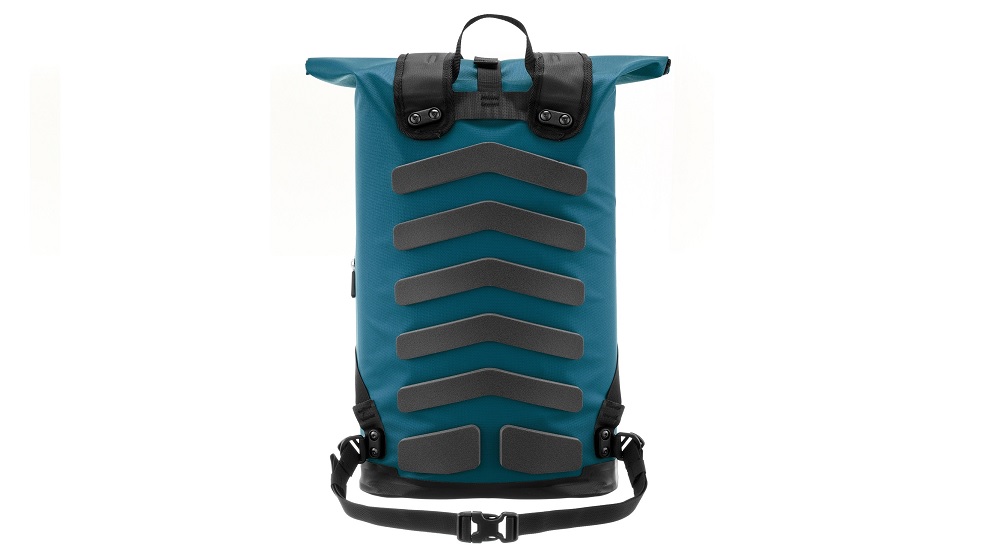
- Back ventilation. Air mesh or foam channels on the back panel, so you don’t show up damp.
- Grab-and-go pockets. Wallet, transit card, sunglasses, keys. If you have to open the main compartment for those, you’ll be irritated by week 2.
- Internal organization. Mesh dividers and a padded laptop sleeve keep your cables and chargers from becoming one tangled pile at the bottom.
- A shell that flexes. Stiff panel loaders look sharp and sag oddly when they’re half empty.
- The look. It should pass in a meeting and still work on a Saturday.
One bag, or a few
You can chase the endgame bag forever. A rotation of 2 or 3 you already like tends to work better: a small one for light days, a bigger one for lunch-box-and-laptop days.
Two habits that will save you money:
- Stop reading reviews of gear you already own. It’s the fastest route to buyer’s remorse you didn’t have yesterday. One commenter got talked into needing dual water bottle pockets by a reviewer, obsessed over it for months, then realized he never carries a water bottle.
- Buy someone else’s mistake. Used listings are full of bags that were carried for 30 days and then replaced. You get the same pack at half price.
4 packs worth a look
A panel loader with a 16″ laptop pocket, 13″ tablet sleeve, stretch bottle pockets, and a luggage pass-through strap. It holds a full day’s kit with a lunch bag, and the shape reads smart-casual instead of corporate.
The pick if your carry is a laptop, notebook, and lunch. It sits close to the back and takes daily wear well, which is where lighter recycled-nylon packs sometimes give up first.
Simple, tough, and cheap enough to keep as your backup. Good for short commutes and days when you’re carrying almost nothing.
17L crossbody with a padded laptop sleeve, 2 exterior bottle holders, and a removable strap. Handy when you want your wallet, card, and phone reachable without taking anything off your shoulder.

FAQs
Is a crossbody bag better than a backpack for commuting?
For loads under about 5 kg, yes, because you can swing it around and reach your things while standing on a train. Past that, the weight sits on one shoulder and you’ll feel it. Most people who use both keep the crossbody for light days.
How do I stop my back from sweating on the walk in?
Look for a suspended mesh back panel or foam channels that lift the pack off your spine. Loosening the shoulder straps slightly also helps air move. No pack solves this in 32°C heat with a 10 kg load.
Will an office backpack work as an airline personal item?
Usually, if it’s around 20L and soft-sided. Packs in the 26 to 30L range fit under most seats when they’re not stuffed, and a luggage pass-through strap lets you sit the bag on a roller handle.
Is buying a used backpack a bad idea?
Not for packs. Zippers, straps, and buckles are easy to inspect, and most listings tell you how long the bag was owned and what’s worn. Check the zipper pulls and the bottom panel, and you’ll know most of what you need.
How many bottles and pockets do I really need?
Count what you carried last week, not what you might carry. Two bottle pockets matter if you bring water and coffee. If you never carry a bottle, that feature should not decide your purchase.