

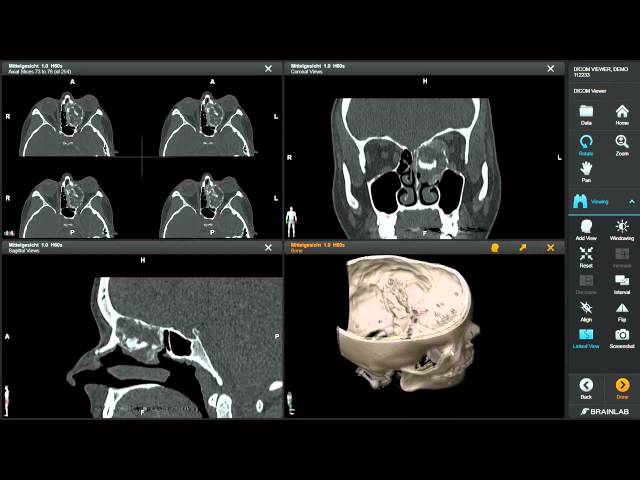
Modern medical diagnosis and treatment planning presuppose the application of digital imaging. Scans must be read accurately to enable clinicians to interpret the scan. DICOM standards bring uniformity to the imaging equipment and health systems.
Software should not degrade the image quality and metadata. Medical image viewer software provides clinicians with an opportunity to retrieve, analyze, and interpret DICOM data effectively. The inadequate visualization devices are likely to slow the diagnosis and pose a clinical risk.
High-level viewers enhance the working process and diagnostic accuracy. Interoperability of systems is critical to cooperation. Available viewing systems are reliable and facilitate decision-making. Effective patient outcomes and efficiency in operation depend on the proper selection of viewers.
Apprehending DICOM Viewer Functions
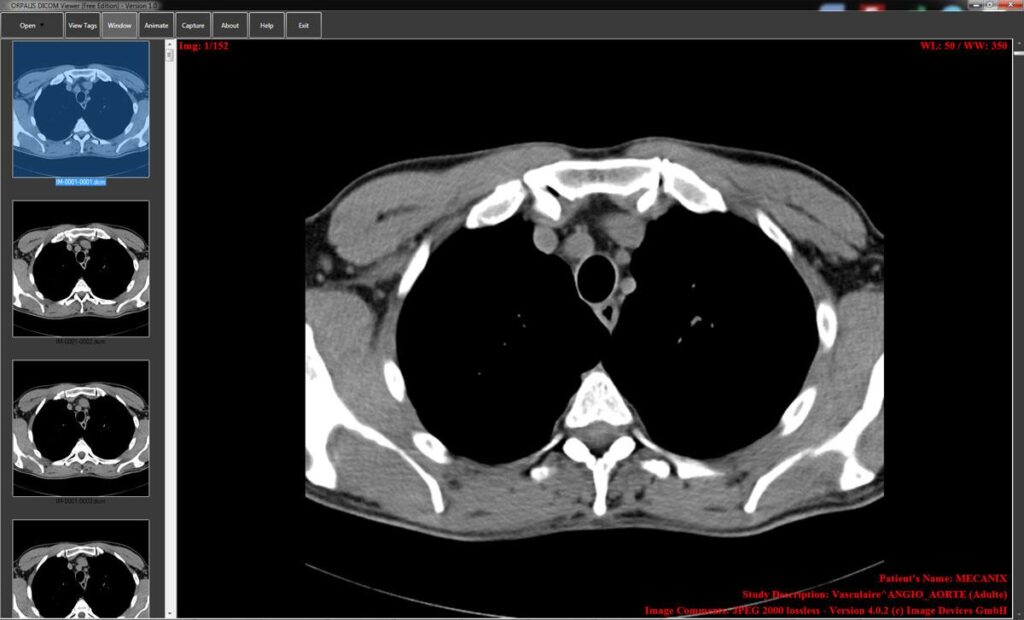
DICOM viewers have more than simple image display functions. They understand embedded metadata and visual data. This is because window leveling assists in contrast optimization to diagnose properly. There is zoom and pan functionality.
Multi-series and multi-frame navigation facilitates complicated research. Anatomical measurements are evaluated with the help of measurement tools. Clinical reporting is facilitated by the use of annotation features. There is the support of modality; it consists of CT, MRI, ultrasound, and X-ray.
Diagnostic errors are prevented by accurate rendering. There needs to be consistent performance on a variety of datasets. The knowledge of such functions aids the organizations in making the right decision on the viewing solutions.
Clinical Workflow Integration
Viewer effectiveness is determined by integration with clinical systems. The medical image viewer with medical image security solutions should be integrated with PACS and RIS solutions. Integration of EHR assists in cohesive patient records.
Easy navigation saves time in switching systems. Radiologist productivity depends on viewer receptiveness. The access is centralized, enhancing the collaboration between the departments.
Unified interfaces also minimize the need to train. Viewers who are workflow-oriented reduce the diagnosis interruptions. The efficiency and satisfaction of the clinicians are improved by proper integration.
Accuracy Of Performance Visualization
Diagnostic reliability has a direct relationship with performance. The viewers are required to manipulate massive DICOM files in real-time. The accuracy rendering method maintains pixel accuracy and spatial resolution.
By providing high-bit-depth, the grayscale representation is correct. Image editing is enhanced by the use of a GPU. Form Hairs Consistency cross-platform compatible interfaces. Stability aids against crashing during important reviewing.
There is efficient caching, which enhances load times. Image reconstruction should not be unfaithful tothe initial scans. Clinical interpretation is made possible through accurate visualization. The performance-oriented viewers increase trust and diagnostic consistency.
Compliance And Security Requirements
Medical imaging has very sensitive information about patients. The audience should also adhere to such healthcare laws as the HIPAA and GDPR. Unauthorized access is blocked by secure authentication. Images are safeguarded in an encrypted data transfer.
Audit logs can be used to monitor the activity of viewing and annotation. Local caching policy should not allow data leaking. Shared environments are safeguarded by secure session management.
Legal and operational risk is mitigated through compliance. New vulnerabilities are dealt with on a regular basis. Patients and institutions are safeguarded by security-oriented viewers. Strong protection ensures trust and compliance with regulations.
Distance Learning And Cooperation
The concept of remote access has gained more relevance in the medical field. Web-based viewers can also be used via off-site consultation with secure web-based viewers. Distributed care teams are supported by cloud-enabled systems.
Sharing and teamwork on cases. Multidisciplinary collaboration on shared cases is possible on medical image viewer platforms. Access to real-time information minimizes the delay of diagnostic complaints. Storing centrally helps maintain the consistency of the availability of images.
Peer review and second opinion tools are supported by collaboration tools. Flexibility is improved through mobile compatibility. Trusted remote viewing will guarantee continuity of care. Positive teamwork enhances the diagnostic performance and patient outcomes.
Conclusion
Selecting the appropriate imaging viewer is essential to DICOM-based healthcare environment. Proper diagnosis is based on accurate visualization. Integration enhances cross-system efficiency in the workflow.
Consistent clinical usage is guaranteed by performance stability. The protection of patient information is secured. Telecommuting enhances teamwork and continuity. Cognizant choice minimizes operational risk.
A properly developed viewers increase the confidence of the clinicians. High-quality imaging devices help to improve patient outcomes. Long-term value and clinical effectiveness are guaranteed by strategic decisions.